12 free shots · $1.99 a roll · no subscription, no catch
Live Analog99 07 14
SHOOT A ROLL ●WAIT AN HOUR ●GET A TEXT ●NO SUBSCRIPTION ●12 FREE SHOTS ●BE WHERE YOUR FEET ARE ●SHOOT A ROLL ●WAIT AN HOUR ●GET A TEXT ●NO SUBSCRIPTION ●12 FREE SHOTS ●BE WHERE YOUR FEET ARE ●
How it works
Four steps. That's it.
Same as dropping a roll at the counter, minus the drive to the mall.
01
Load a roll
Pick a film look and load it. You get a set number of shots — make 'em count.
02
Shoot your shots
No preview, no do-overs. Twelve or twenty-four frames, then the roll's done.
03
Send it to the lab
Tap send. The lab takes it from here. Go live your life.
04
Get a text
An hour later your photos land in a text. Some great, some blurry, all yours.
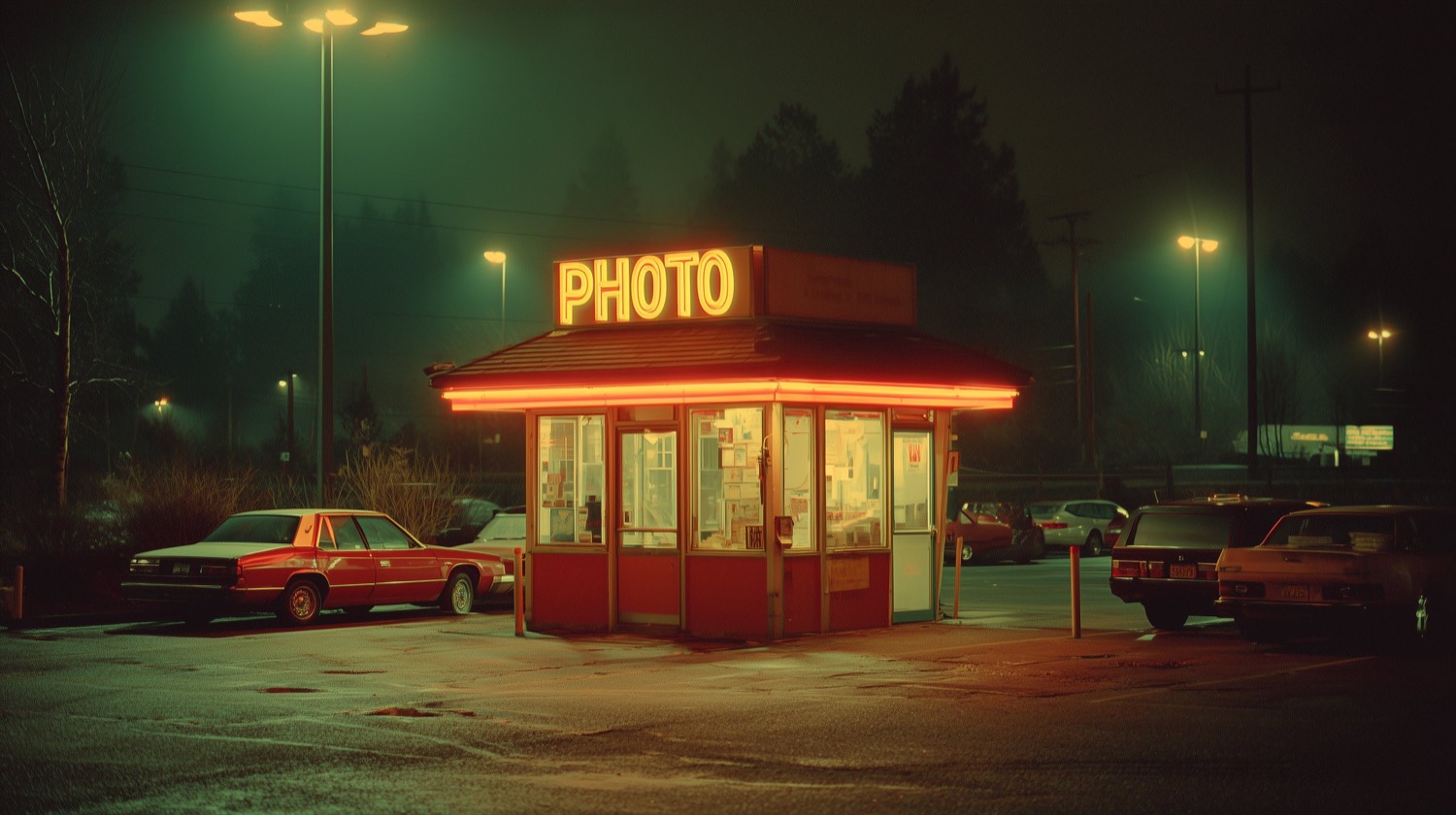
1 HOUR PHOTO
Open whenever you are
The deal
An hour. No peeking.
Two rules, and they're the whole reason it works.
Why an hour
Because waiting is what made photos matter. You couldn't peek, couldn't retake, couldn't scroll your own night while you were living it. The hour isn't a limitation. It's the point.
No previews, no do-overs
You get a set number of shots, and you don't get to take them back. It sounds harsh until the photos come in and you realize you actually looked at things this weekend instead of through them.
The look
Shot on the good stuff.
Real grain, real light leaks, real "wait, where was this?" Here's what comes back.
Turn it sideways to shoot like a disposable. Turn it back to load film and check your rolls. An hour later, the text shows up.
The rolls
Pick your film. $1.99 a pop.
Cheaper than the disposable from the drugstore. Start free, then load whatever look fits the night.
On us
Free 12ISO 400
12 EXP
Free Roll 12
Twelve shots, on the house. The standard look. See if the wait's your thing.
Free · 12 shots
Most loaded
Gold HourISO 200
24 EXP
Gold Hour 24
Warm, nostalgic, vacation-color. Twenty-four frames of golden-light flattery.
$1.99 · 24 shots
Night FlashISO 1600
24 EXP
Night Flash 24
Party look with flash energy. Blown-out, imperfect, exactly right at 1am.
$1.99 · 24 shots
DrugstoreISO 400
24 EXP
Drugstore 24
Classic disposable-camera color. The everyday roll. No notes.
$1.99 · 24 shots
BlackoutISO 400
24 EXP
Blackout 24
Moody, high-contrast black & white. Grainy and timeless.
$1.99 · 24 shots
Instant 8POLAROID
8 SHOTS
Instant 8
Eight shots, texted back one at a time in a minute or two. Instant, with attitude.
$1.99 · 8 shots
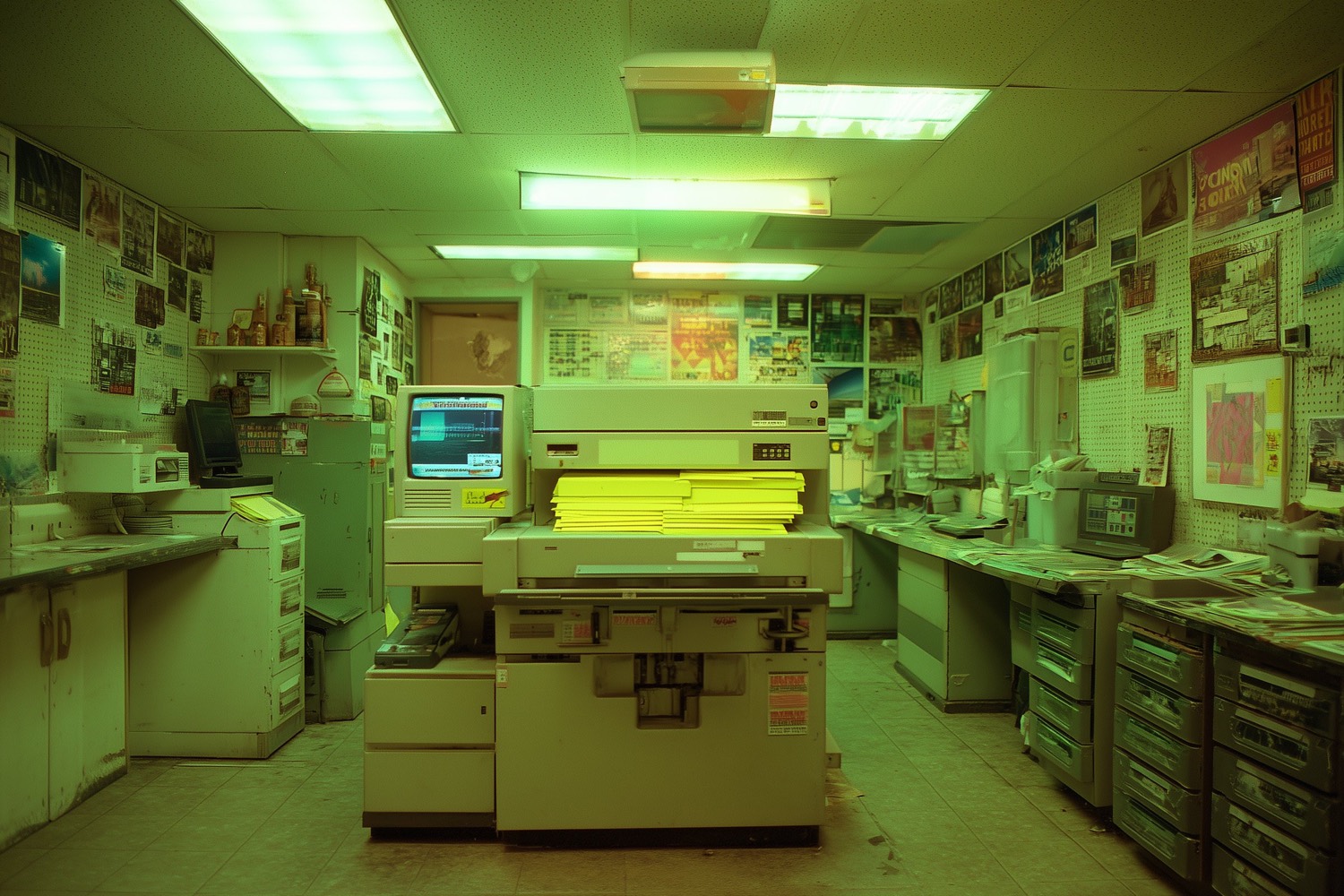
THE LAB
Your roll, in good hands
B E F O R E
There was a time you took a picture and then you just left. No screen to check. No do-over. You pressed the button, you hoped you got it, and you went back to your friends.
The waiting made the photos matter. It made you matter too, because you were the one who had to pay attention. This was before the feed, before an app decided what your weekend was worth.
We put the waiting back on purpose. We took the screen away on purpose. Not because old is better — because you were better when you weren't watching yourself.
Shoot a roll. Get a text in an hour. Be where your feet are.
 99 07 14